
New impact report highlights ‘bold action for better ageing’
 Devki Khetani
on
August 13, 2026
Devki Khetani
on
August 13, 2026

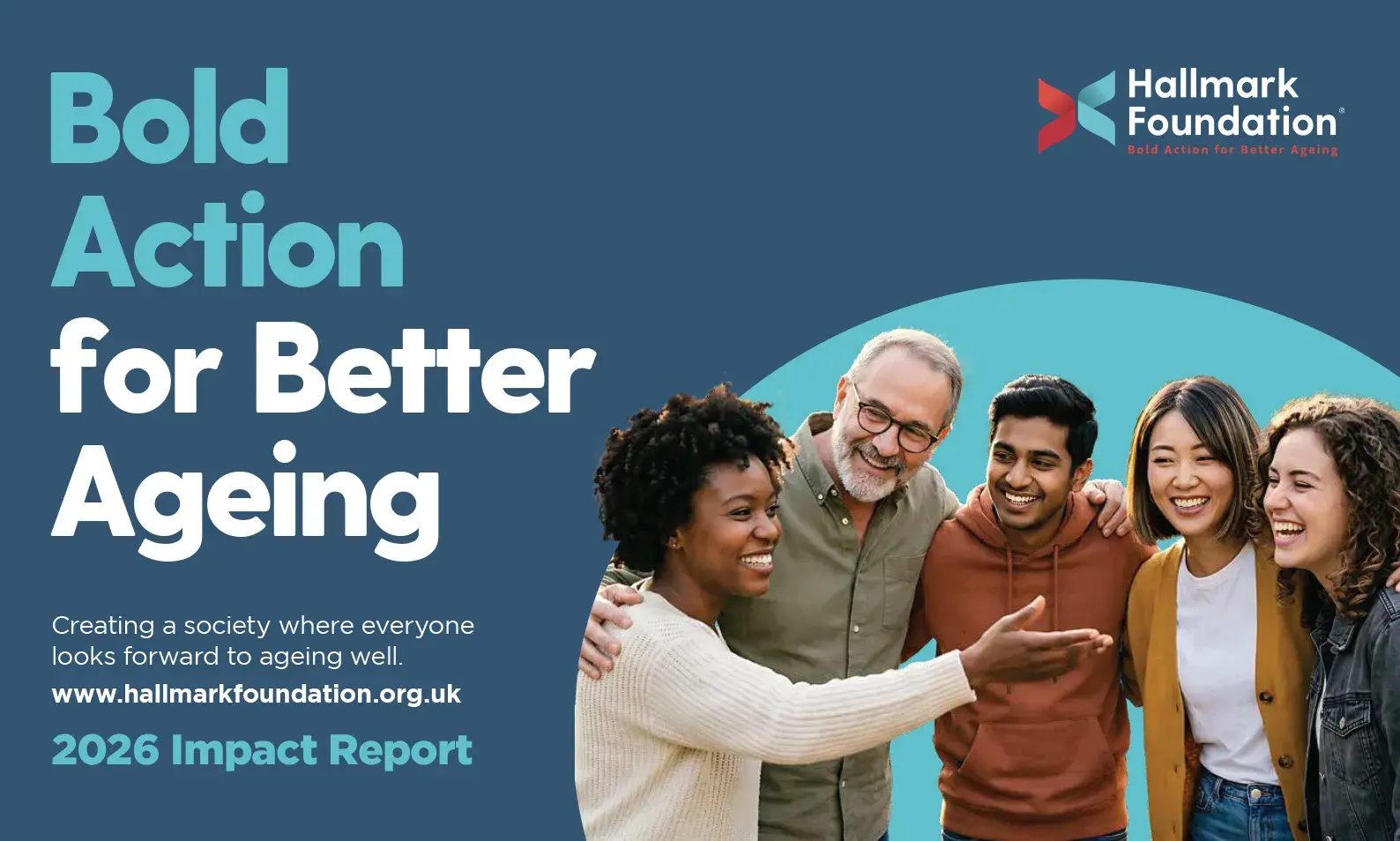
A new report shows how the Hallmark Foundation’s growing work is influencing ‘bold action for better ageing’ with its fundees, policymakers, researchers, practitioners and people of all ages.
The report highlights the charitable foundation’s grant-making for pioneering projects that aim to create a society where everyone looks forward to ageing well. These include the ILC-UK’s pioneering Better Lives Index, the Centre for Social Justice’s Midlife Commission, and the Open University’s and the Campaign for Learning’s toolkit for employers to support workers to prepare for a better later life.
Many other funded projects aim to improve care for older people and bring together all generations to age well together through good health and wellbeing, connection and care.
Since 2021 the Hallmark Foundation has made grants of almost £1.5 million and the foundation estimates that every £1 given generates an additional £5 for the fundees and their beneficiaries.
Bold Action for Better Ageing – Hallmark Foundation impact report 2026 can be downloaded here.
Devki Khetani
on
June 27, 2026

Have you ever wondered what the Hallmark Foundation funds and how it works to influence the future of ageing well and improving care?
A new video with Hallmark Foundation trustees and beneficiaries features some of the research, policy and practical projects that the charity has funded recently.
These range from research with Queen Mary University of London helping older people with dementia move into residential care to the Who Cares Wins! initiative with Championing Social Care encouraging young people to explore careers in care. The video looks at how the foundation promotes ageing well across the life course with intergenerational projects, pioneering research and policy influencing.
To find out more, watch here
Devki Khetani
on
June 20, 2026

Several new grants by the Hallmark Foundation are supporting projects that will improve the quality of life of older people living in residential care. They will improve hearing and communication in care homes, promote intergenerational interaction between young and older people, and increase access to the latest in music and movement technology.
The projects include funding for the following organisations:
Devki Khetani
on
June 8, 2026
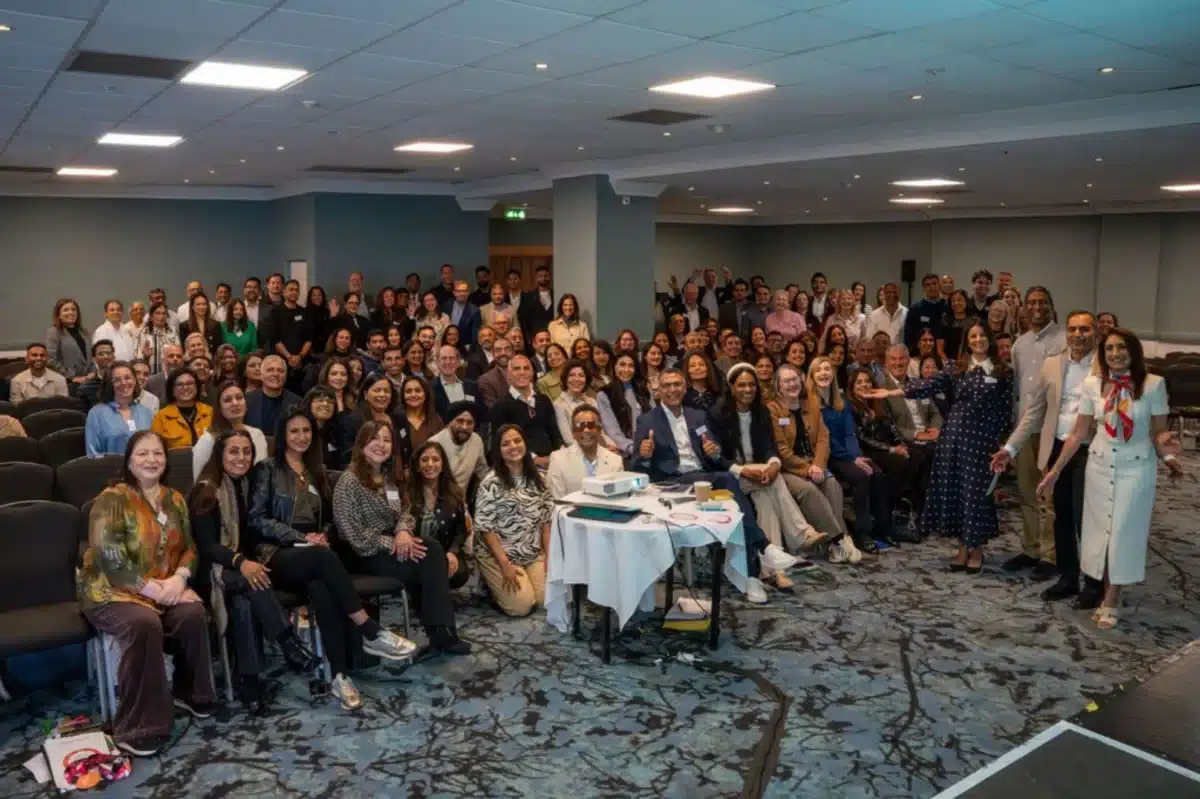
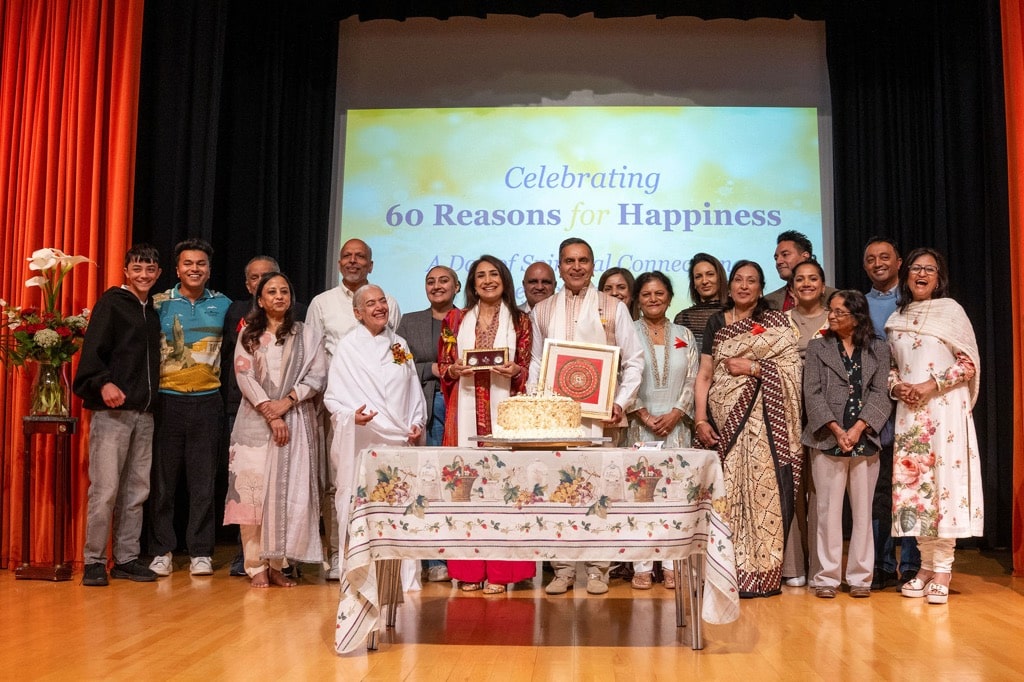
The chair of Hallmark Foundation, Avnish Goyal, is celebrating his 60th birthday in 2026 with a series of events to raise awareness and funds for his charitable endeavours.
These have included a conference on leadership in health and social care, a spiritual celebration of sixty reasons for happiness, an event at the House of Lords, and a fundraising appeal for the Goyal Foundation’s Inner Spark programme.
Pictured are some of the almost 200 delegates at the Leadership conference at the Hammersmith Novotel led by Bala Kishore, with a focus on digital wellness, meditation, compassion and self-compassion. It included a presentation by Avnish Goyal on leadership in action as he recalled his journey over the last sixty years and his ambitions for Hallmark Luxury Care Homes and his charitable activities.
Also pictured are some of Avnish’s guests and family at the spiritual celebration of his birthday.
Avnish’s 60th birthday appeal has already raised over £153,000 for Inner Spark, the programme of free workshops in schools, promoting positive mindsets and life skills to empower young people to fulfil their potential. You can donate here: Goyal Foundation – JustGiving
Happy birthday Avnish – many thanks for all you give.
Devki Khetani
on
May 21, 2026

Campaign for Learning has worked with The Open University with funding from Hallmark Foundation to co-design, co-produce, and launch a unique, UK-wide toolkit aimed at supporting people to stay healthy beyond midlife.
The average age of retirement in the UK is 66 and while the impact varies, for a significant proportion, it can have a detrimental effect.
In addition to age-related health concerns, retirement is associated with increased risk of depression, reduced cognitive functioning, and lower life satisfaction. This decline in health and wellbeing has costs for the individual as well as their family and the wider society. This decline is, in many cases, also avoidable.
That’s why The Open University and Campaign for Learning, funded by the Hallmark Foundation, used Learning at Work Week (18-24 May) to launch Small changes, big impact: rethinking wellbeing, a first of its kind, free resource to support midlife workers to thrive as they age.
Based on the Five Pillars for Ageing Well, the resource highlights the importance of nutrition, hydration, physical, social and cognitive stimulation, to help promote health and wellbeing in later-life. It’s hoped that this toolkit will provide a sense of ownership over ageing and have a positive impact on them and their wider families.
Devki Khetani
on
April 27, 2026
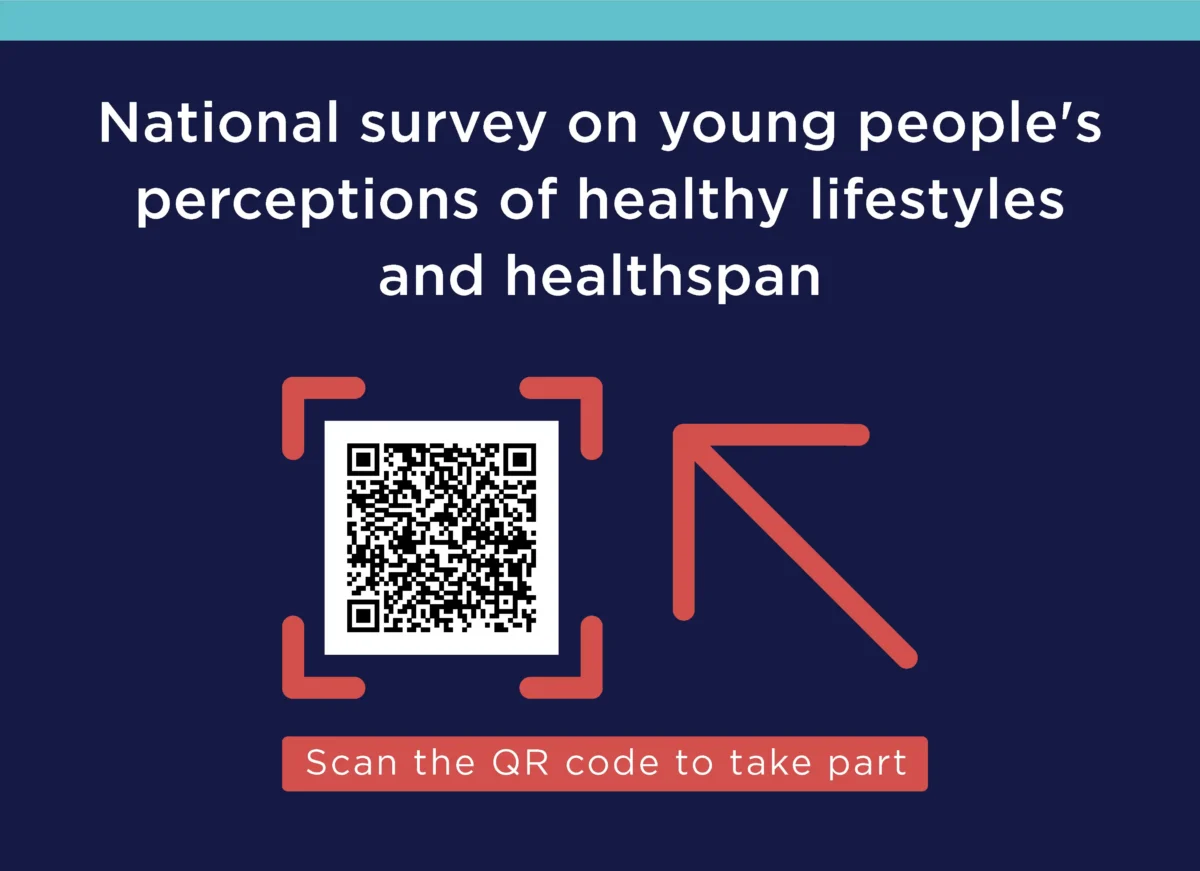
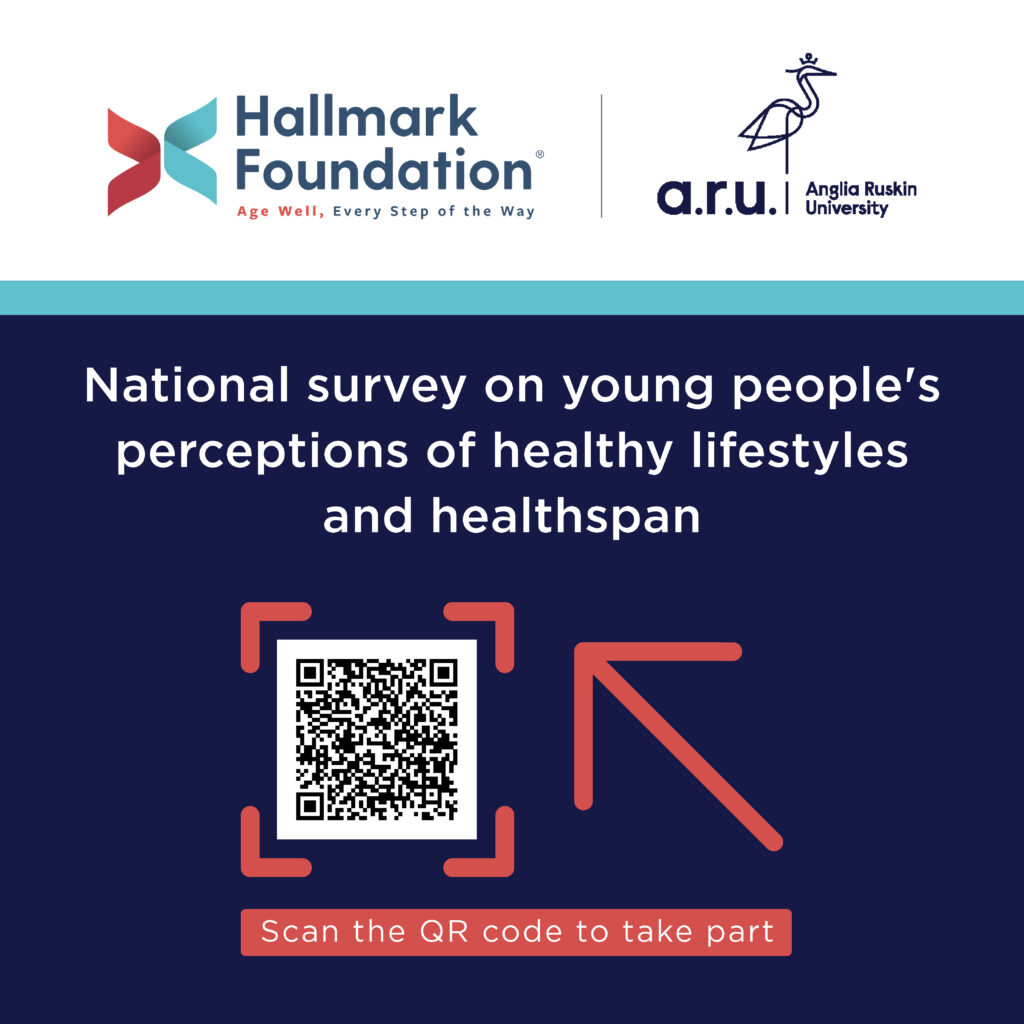
Anglia Ruskin University (ARU) has launched a unique national research project funded by Hallmark Foundation to investigate what young people in the UK think about their health in later life and what “ageing well” means to them.
The innovative study will examine the views of 13 to 22-year-olds, with a particular focus on “healthspan”, which is the number of years a person lives in good health.
While lifespan measures how long people live, healthspan shifts the emphasis to quality of life as people age, including physical, mental and social wellbeing.
Until now, healthspan research has typically focused on older adults, despite adolescence and early adulthood being critical periods for shaping lifelong habits and attitudes towards health.
By capturing young people’s own perspectives and experiences, this new project aims to provide insights into how health and ageing are understood early in life and how those views might influence long‑term outcomes.
The research will combine a national survey with focus groups, and also explore the social, environmental and behavioural factors that help or hinder people’s ability to live healthily.
The findings will be used to identify key facilitators and barriers to engaging in healthy lifestyles, develop an initiative to help young people build strong foundations for long-term health and wellbeing, and shape future research and education programmes.
The research is being led by Professor Justin Roberts and Dr Andie Riches at Anglia Ruskin University (ARU), in partnership with the charity Hallmark Foundation, which supports people to “age well, every step of the way”.
“For many young people, ageing is probably the last thing on their minds, but we know that habits adopted in young age can last throughout someone’s lifetime.
“Very little research has been carried out looking at how younger age groups conceptualise their health and wellbeing in later life, so we hope this project will deliver important findings that will help shape future health initiatives.”
Justin Roberts, Professor of Nutritional Physiology at ARU
“Young people are likely to live longer lives, many reaching the age of 100 plus. But what do they need to do now in their teens and twenties to ensure that those longer lives are also heathier and fulfilled lives?
“This pioneering research will provide much needed information about young people’s attitudes and behaviours towards ageing well, helping more people to benefit from longevity in the future.
”Stephen Burke, CEO of Hallmark Foundation, which is funding the research
For further information about the project, contact [email protected] A link to the survey is here: https://app.onlinesurveys.jisc.ac.uk/s/angliaruskin/young-peoples-views-on-health-and-ageing
Devki Khetani
on
March 19, 2026
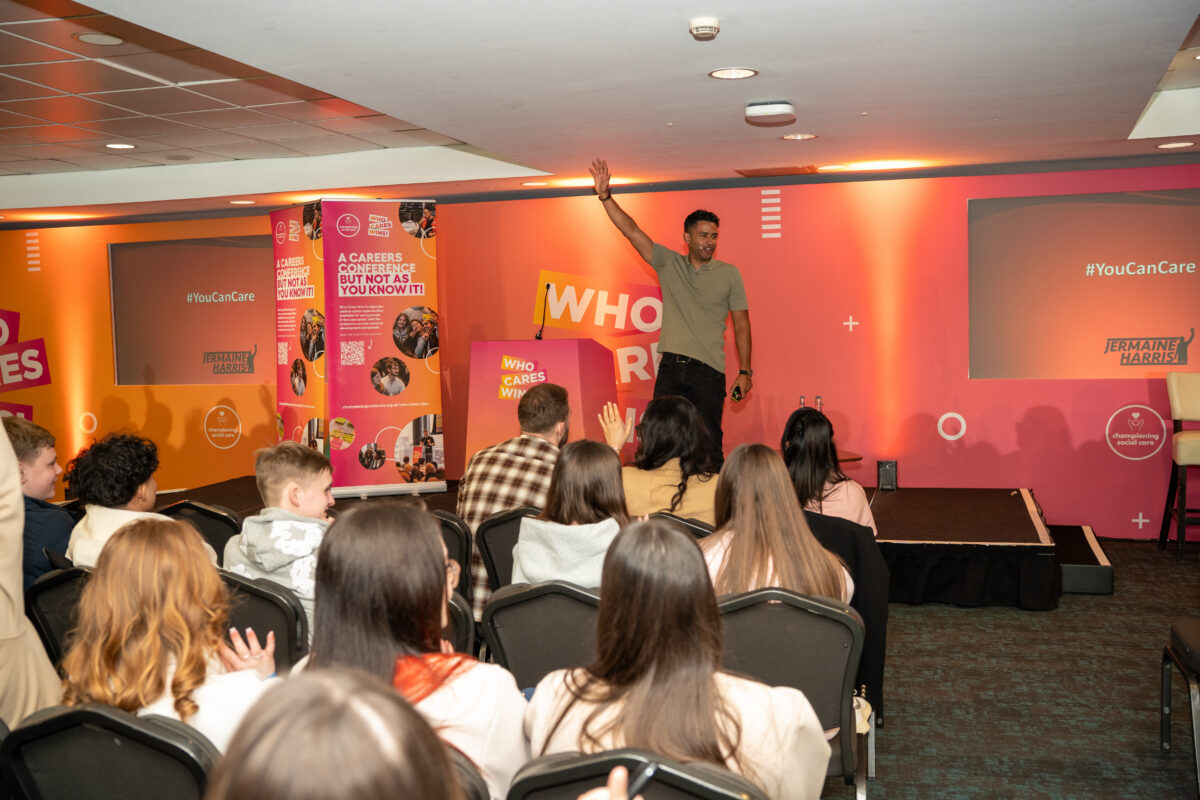
Almost five hundred young people, teachers and care providers attended the third national Who Cares Wins! conference and exhibition at the Oval cricket ground on 3 March, organised by Championing Social Care.
The event featured presentations and performances to encourage school and college students to explore the wide variety of jobs and careers in the care sector. See the highlights video: Ria at the Who Cares Wins! conference
Part-funded by the Hallmark Foundation and Rayne Foundation, the event was also supported by Hallmark Luxury Care Homes and a range of other care providers and suppliers.
In the coming year there are plans to hold more local events as well as another national event to bring together young people and educators with the growing care sector. The increasing demand for care for older and disabled people means that half a million new jobs will be created in the next decade, with great career opportunities for young people.
To get involved with Who Cares Wins!, please register your interest here: https://forms.monday.com/forms/ef8d5976143c21217ad69cde37bfb845?r=euc1
Devki Khetani
on
March 19, 2026

The Claremont Project has launched the findings of its better brain health project on community activities reducing the risks of dementia. Claremont’s new report ‘From Fear to Fun’ shares their learning that an effective way to engage people in dementia protective activities is to celebrate their intrinsic rewards and enjoyment.
Moving from fear to fun, community centres can ‘flip the script’ on a difficult topic that people may otherwise seek to avoid and disengage from. They’ve come up with an acronym, FLIP, that spells out findings about what worked well in the pilot:
See the findings here: Brain Health Programme – Claremont Project
 Bhoomi Hirani
on
December 1, 2025
Bhoomi Hirani
on
December 1, 2025
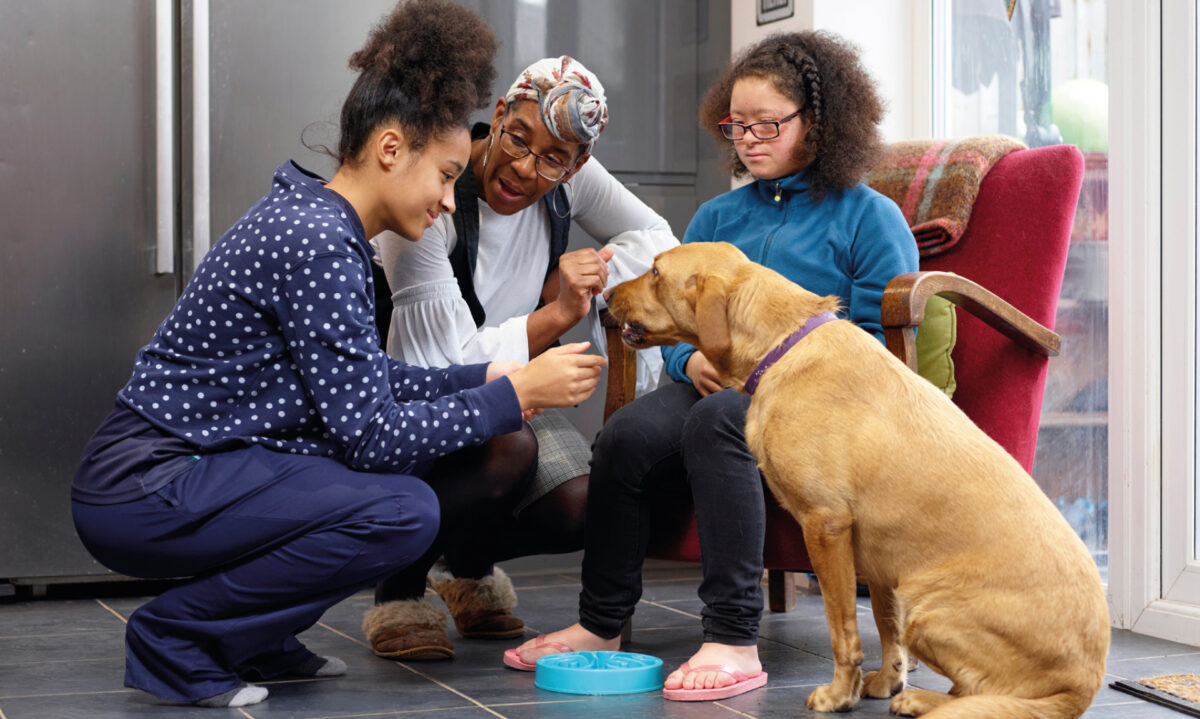
Shared Lives Plus, the UK membership charity for Shared Lives care, has launched national guidance to help recruit Shared Lives carers from minoritised ethnic, cultural and religious communities – ensuring the model reflects the diversity of the communities it serves.
Funded by Hallmark Foundation, the Good Practice Guide: Recruiting Shared Lives Carers from Minoritised Ethnic, Cultural and Religious Communities sets out proven, practical strategies to help local schemes recruit and retain carers from underrepresented backgrounds.
Shared Lives is a leading social care innovation where adults who need support are matched with approved carers, sharing their home and community life. When people are supported by carers who share their culture or faith, they often experience more personalised, familiar and culturally sensitive support.
Yet Shared Lives Plus’ State of the Sector report shows that only 5-7% of Shared Lives carers in England are from ethnic minoritised communities, compared with 18% of the population. The new guidance aims to bridge this gap and ensure Shared Lives represents and includes people from all communities.
Case Study: Laura & E – Bury Shared Lives
Laura and her husband, from an Orthodox Jewish background, were approved as foster carers in 2002. With six children of their own, they were motivated by the shortage of Orthodox Jewish foster carers and wanted to ensure young people from their community could remain connected to their culture and faith.
Nearly ten years ago, they welcomed a 12-year-old Orthodox Jewish girl with Down’s syndrome. Initially a short-term fostering placement, it became long-term due to her circumstances and the strong attachment she formed with the family.
Sharing the same faith allowed her to continue her religious practices, festivals, and daily routines, helping her settle quickly into family life. Laura explains: “We can support her with her religion as well as her day-to-day needs.”
As she approached adulthood, the family transitioned her to Shared Lives, allowing her to remain in the home where she felt secure. The change was seamless, which was particularly important as she does not always cope well with change. The family have now been Shared Lives carers for over four years.
During the day, she attends college, learning life skills alongside lessons about Jewish festivals and heritage. At home, she participates in Sabbath and festival preparations, attends synagogue with her own illustrated prayer book, and celebrates family occasions. She has also travelled to Israel with the family, visiting holy sites and strengthening her connection to her faith and heritage.
Laura says: “There needs to be a large pool of carers so placements can be well matched. With a good match, you help someone live a life that values what’s important to them and to you. It’s incredibly satisfying to watch someone grow and achieve, knowing you’re making a real difference. The rewards are endless.”
Case Study: Unazia & Mohiz – Ategi Shared Lives, Slough
Unazia, a Pakistani Muslim, and her family have supported Mohiz, a young Pakistani Muslim man, for the past five years, transitioning him from fostering to a Shared Lives arrangement when he turned 18.
“What began as a supportive arrangement has become a deep, family-like bond,” says Unazia. “When Mohiz first joined us, he spoke only a few words and was shy. Now he’s confident, talkative, and independent.”
Mohiz has developed essential life skills, from preparing his own meals to maintaining his room and hygiene independently. The family’s shared cultural and religious background has helped create a supportive, familiar environment. “My husband and kids are very attached to him. They involve him in everyday activities and encourage him to learn new things,” adds Unazia.
Mohiz is also thriving academically and socially, making friends at college and excelling in English and maths.
Ewan King, Chief Executive of Shared Lives Plus, said: “If Shared Lives is to be part of every community, our carers need to reflect the diversity of local communities. There is more to do to ensure that Shared Lives carers come from a wide range of backgrounds, including minoritised ethnic, cultural and religious communities. What is pleasing, is that there is much good work going on to address this challenge. This guide brings together many of these examples of good practice, and we would like to take the opportunity to thank all those who contributed. Keep up the amazing work, and for those who want to make further progress, please do use this guide.”
Based on research and engagement with Shared Lives schemes across England, the guide highlights how to:
Stephen Burke, Director of the Hallmark Foundation, said: “This guide is vital to the future growth and success of Shared Lives. Recruiting more Shared Lives carers from communities currently underrepresented will enhance people’s experiences and lives. The continued expansion of Shared Lives will give a wider range of adults, particularly older people, the support they want and need for better lives.”
A range of national organisations – including the Local Government Association (LGA), Association of Directors of Adult Social Services (ADASS), NHS Confederation and the Department of Health and Social Care (DHSC) – are backing the growth of Shared Lives.
In October, the King’s Fund described Shared Lives as a leading example of good practice that could help solve many of the challenges facing social care: “For some, the way social care services are commissioned and provided needs to change more fundamentally. Typically, this involves a move away from institutionalised, professionalised care towards much broader forms of support, exemplified by services such as the Shared Lives scheme and other strength or asset-based approaches.”
Download the Good Practice Guide: Recruiting Shared Lives Carers from Minority Ethnic, Cultural and Faith Communities at: www.sharedlivesplus.org.uk/our-work/resources/recruiting-diverse-shared-lives-carers
 Yogi Raghvani
on
October 3, 2025
Yogi Raghvani
on
October 3, 2025

More than 600 people from across the care sector gathered together for an evening of fundraising, entertainment and dining – putting the fun into fundraising for three great social care charities: Care Workers Charity, Marie Curie and Care Rights UK.
The Ball was the sixth annual fundraising event organised by Championing Social Care, raising over £1.7 million for charities. It has grown in size with this year’s Ball at London’s Grosvenor House the biggest yet, packed with music, magic, laughter and fine food.
See more: Care Sector Fundraising Ball • Championing Social Care