Anglia Ruskin University (ARU) has launched a unique national research project funded by Hallmark Foundation to investigate what young people in the UK think about their health in later life and what “ageing well” means to them.
The innovative study will examine the views of 13 to 22-year-olds, with a particular focus on “healthspan”, which is the number of years a person lives in good health.
While lifespan measures how long people live, healthspan shifts the emphasis to quality of life as people age, including physical, mental and social wellbeing.
Until now, healthspan research has typically focused on older adults, despite adolescence and early adulthood being critical periods for shaping lifelong habits and attitudes towards health.
By capturing young people’s own perspectives and experiences, this new project aims to provide insights into how health and ageing are understood early in life and how those views might influence long‑term outcomes.
The research will combine a national survey with focus groups, and also explore the social, environmental and behavioural factors that help or hinder people’s ability to live healthily.
The findings will be used to identify key facilitators and barriers to engaging in healthy lifestyles, develop an initiative to help young people build strong foundations for long-term health and wellbeing, and shape future research and education programmes.
The research is being led by Professor Justin Roberts and Dr Andie Riches at Anglia Ruskin University (ARU), in partnership with the charity Hallmark Foundation, which supports people to “age well, every step of the way”.
“For many young people, ageing is probably the last thing on their minds, but we know that habits adopted in young age can last throughout someone’s lifetime.
“Very little research has been carried out looking at how younger age groups conceptualise their health and wellbeing in later life, so we hope this project will deliver important findings that will help shape future health initiatives.”
Justin Roberts, Professor of Nutritional Physiology at ARU
“Young people are likely to live longer lives, many reaching the age of 100 plus. But what do they need to do now in their teens and twenties to ensure that those longer lives are also heathier and fulfilled lives?
“This pioneering research will provide much needed information about young people’s attitudes and behaviours towards ageing well, helping more people to benefit from longevity in the future.
”Stephen Burke, CEO of Hallmark Foundation, which is funding the research
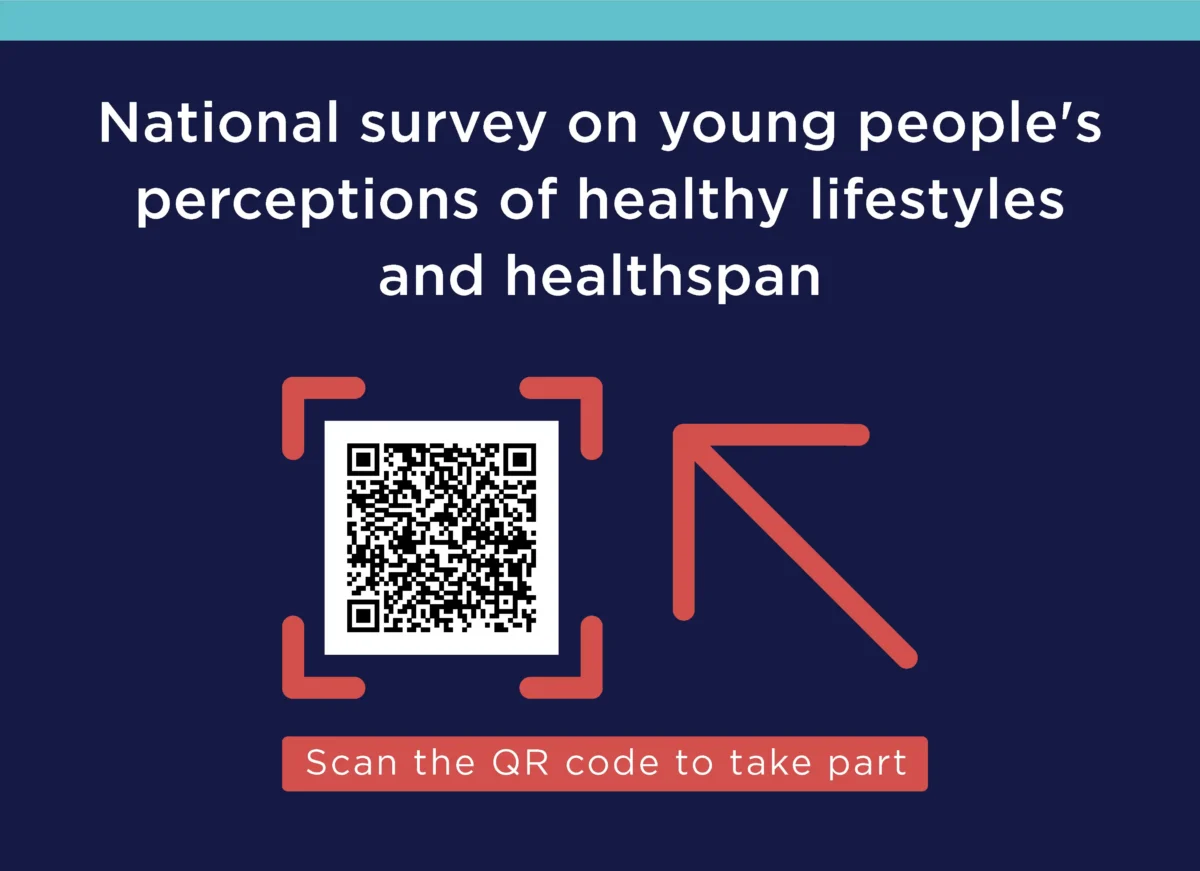
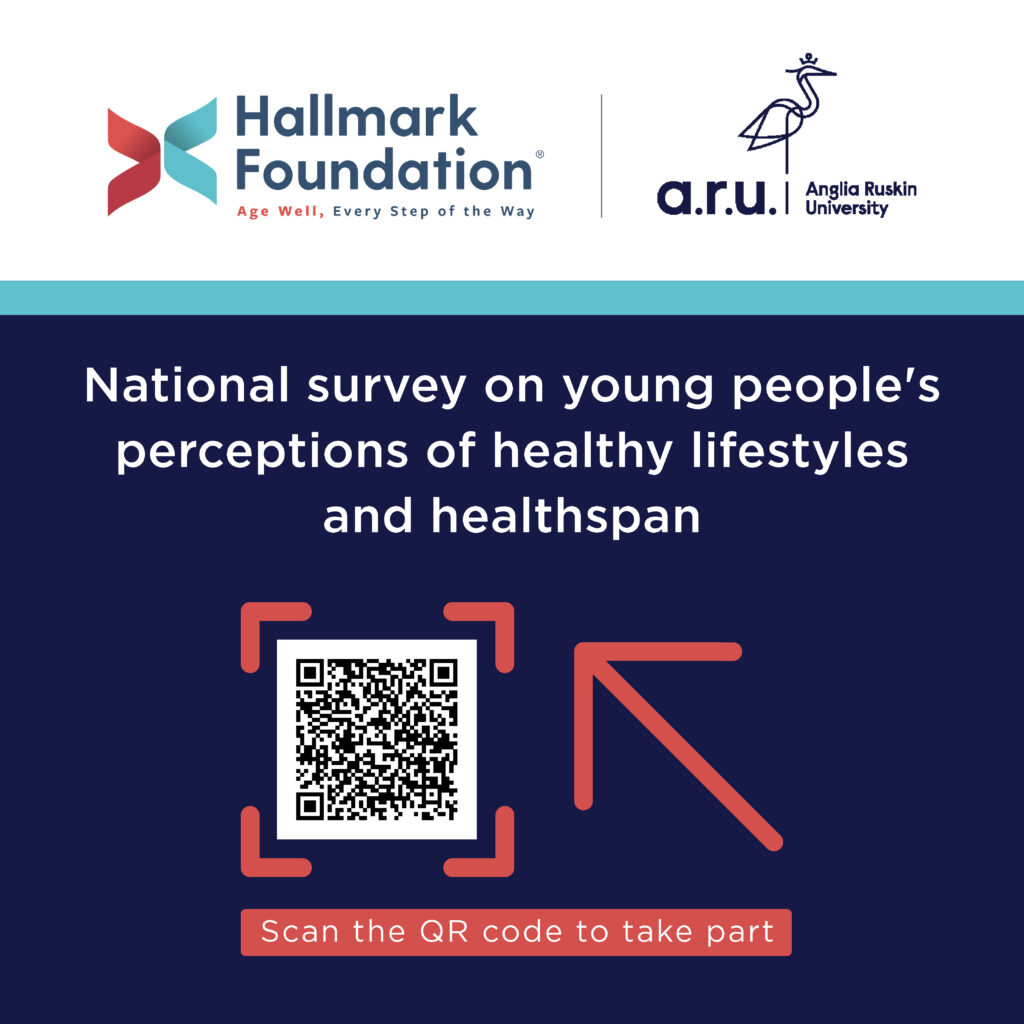
For further information about the project, contact [email protected] A link to the survey is here: https://app.onlinesurveys.jisc.ac.uk/s/angliaruskin/young-peoples-views-on-health-and-ageing